Documentation Standards

How to Document Your Injuries Clearly

In a legal claim, your medical documentation is your strongest evidence. Learn how to maintain an authoritative medical timeline that ensures your symptoms are taken seriously by insurers and courts.

Secure & Encrypted • No credit card required to start

The Injury Timeline

Timeliness is the foundation of a strong claim. Follow these critical windows for documentation.

1

Immediately at Scene

Capture photos of visible bruises, cuts, or the impact position. Note your immediate pain level (0-10) before adrenaline fades.

1

2

24-48 Hours Later

Seek a professional medical evaluation even if pain seems minor. Adrenaline masks symptoms that often peak 2 days later.

2

3

Ongoing Treatment

Log every therapy session, specialist visit, and flare-up. Consistency over months proves the injury’s long-term impact.

3
Interactive Injury Hotspots

Interactive Injury Hotspots

Different injuries require different types of proof. Click the anatomical markers to learn the specific documentation requirements for common injury types.

Neck & Whiplash

Document range of motion limitations and any headaches originating from the base of the skull.

Lower Back & Spinal

Obtain MRI or CT scans showing disc compression or nerve impingement. Record activities that aggravate pain.

Shoulder & Rotator Cuff

Document strength loss, limited range of motion, and any diagnostic imaging showing tears or impingement.

Joints & Extremities

Record swelling, instability, and provide X-rays or MRIs for knee, ankle, wrist, and elbow injuries.
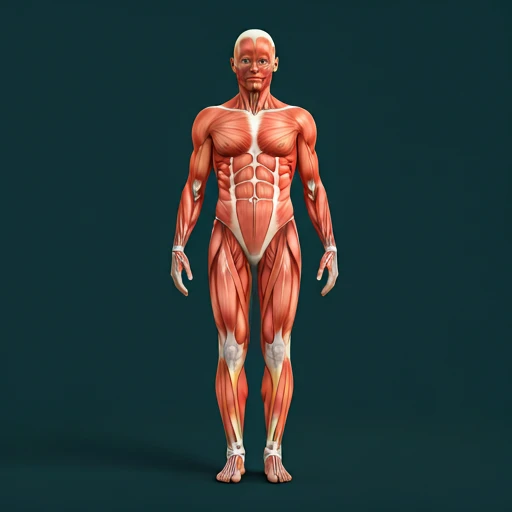
Human body anatomy
Neck / Cervical
Shoulder
Lower Back / Lumbar
Knee / Joint

The Symptom Diary Guide

Consistency in your personal log is often the deciding factor in non-economic damages.

Severity Scale

Don't just say "it hurts." Use a 0-10 scale. Explain what the pain prevents you from doing (e.g., "Level 7 - unable to sit for more than 15 mins").

Frequency & Duration

Note when pain occurs. Is it constant, or does it flare up during specific tasks? How long does a flare-up last? Be precise with timestamps.

Impact on Daily Life

Document activities of daily living (ADLs) that are affected: sleep quality, inability to lift children, or needing help with basic chores.

Medical Records Checklist

Medical Records Checklist

Ensure you have gathered these specific documents for your case file.

0 / 6
ER & Hospital Records
Admittance notes, discharge summaries, and ER physician reports.
Imaging & Labs
Official radiologist reports for MRIs, CT scans, and X-Rays.
Physical Therapy
Functional progress notes and attendance logs from therapists.
Prescriptions
Pharmacy receipts and records for pain meds or medical devices.
Specialist Reports
Orthopedic, neurological, or pain management evaluations and opinions.
Medical Bills
All invoices and itemized statements from hospitals and providers.
✓ Checklist complete — you're ready to build your case file!

Ready to organize your claim?

Use our professional portal to upload and organize your medical documentation in a format lawyers love.

Scroll to Top